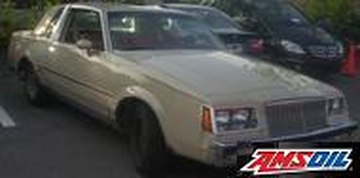
Maintaining Lubrication Standards for the 1981 Buick REGAL 5.7L Diesel
Owning a vehicle with a diesel engine, such as the 1981 Buick REGAL equipped with the 5.7L [N] Diesel, requires a specific approach to routine maintenance. Because diesel combustion processes differ from gasoline engines, the fluids and components used to maintain the engine must be handled with precision. Proper lubrication management is one of the most effective ways to ensure the longevity of this powertrain.
Monitoring Fluid Integrity and Condition
Regularly checking the condition of your engine oil is a fundamental part of diesel engine care. Over time, the lubricant can undergo changes in color, consistency, and odor. While some variation is expected as the oil works within the engine, significant deviations warrant closer inspection.
When performing routine checks, look for the following:
- Changes in viscosity: If the oil feels unusually thin or excessively thick between service intervals, it may indicate contamination.
- Visual clarity: While diesel oil often appears darker than gasoline-engine oil, extreme cloudiness or a milky appearance can be associated with other fluid interactions that should be investigated.
- Unusual odors: A strong scent of fuel within the oil may suggest an issue with the fuel system that requires professional diagnosis.
By observing these subtle changes, you can move from reactive repairs to proactive maintenance, addressing potential issues before they lead to mechanical complications.
Practical Inspection Priorities for Aging Engines
As a vehicle reaches higher ages and mileage, the focus of maintenance often shifts toward inspecting materials that are subject to heat and chemical exposure. For a 1981 Buick REGAL, this means looking closely at various components that may show signs of wear over several decades.
When performing a visual inspection, it is useful to examine the area around the engine for any evidence of seepage or leakage. Inspecting gaskets and seals for signs of age-related seepage can help identify slow leaks that might otherwise go unnoticed until they become more significant. Additionally, if equipped, check accessible drive belts for signs of deterioration such as cracking, glazing, or fraying. Similarly, inspect any visible hoses for softness, swelling, or cracks.
Maintaining a clean engine bay also aids in inspection. When the engine area is free of excessive grime and debris, it becomes much easier to spot fresh leaks or identify where a fluid might be originating. This practice is especially helpful when trying to distinguish between old, dried residue and active, current leaks.
Managing Long-Term Engine Health
Effective long-term ownership involves more than just following a schedule; it requires establishing a baseline of how the vehicle operates under normal conditions. If you have recently acquired this 1981 Buick REGAL, reviewing any available service history is an excellent starting point. Knowing when the oil was last changed, which products were used, and what repairs were previously performed can help you understand the current state of the engine.
If maintenance records are incomplete, your first priority should be to establish a new baseline. This involves performing thorough inspections and carefully monitoring the vehicle's behavior—such as how it starts, how it idles, and whether any new noises or vibrations emerge during operation. Once this baseline is set, you can more easily identify when something has changed.
Prioritizing maintenance based on current condition rather than just chronological age is a practical way to manage costs and resources. For example, addressing an active, slow leak or replacing a fraying belt is often more critical than replacing parts that still appear to be in good functional condition. This condition-based approach ensures that your maintenance efforts are directed where they will provide the most benefit.
Identifying Potential Service Indicators
It is important to recognize that many symptoms can have multiple underlying causes. If you notice something unusual while driving or during a routine check, it should be treated as an indicator for further investigation rather than a definitive diagnosis of a specific part failure.
For instance, if you observe any unusual mechanical noises coming from the engine area, this warrants a professional inspection to determine the source. Similarly, if you notice changes in how much lubricant the engine seems to be using between checks, or if you see unexpected exhaust smoke, these are signs that the lubrication system or other internal components should be examined. An oil-related warning light on the dashboard is a critical signal that requires immediate attention to prevent potential damage.
By treating these symptoms as prompts for investigation rather than jumping to conclusions, you can ensure that repairs are accurate and that the root cause of any issue is properly addressed.
The Role of Effective Lubrication
In any internal combustion engine, the lubricant performs several vital roles. Beyond simply reducing friction between moving parts, the oil helps manage heat by carrying thermal energy away from high-temperature areas. It also plays a role in cleaning the engine by suspending microscopic particles and carrying them to the filter, which helps prevent the buildup of deposits.
Maintaining the correct quality and condition of the lubricant is essential for these processes to function correctly. When oil becomes contaminated or loses its chemical effectiveness, its ability to protect components and manage heat can diminish. This is why consistent monitoring and adhering to proper service intervals are so important for maintaining the mechanical integrity of the engine over time.
Buying Engine Oil for your 1981 Buick REGAL 5.7L
When it is time to replenish your engine's lubricant, the most important step is to ensure the product matches the specific requirements of your diesel engine. Because different engines have unique needs regarding additive packages and chemical stability, you should never rely on general automotive knowledge or assumptions based on the vehicle's age.
To select the correct product, match the engine oil to the application-specific viscosity information already displayed on this webpage. When shopping, carefully check the product labels to verify that the oil meets the necessary standards for your specific 5.7L diesel application. You may encounter various options, including conventional, synthetic blends, or full synthetic formulations; choose based on the guidance provided in your vehicle's technical documentation.
Some high-mileage oil formulations contain additives intended for use in aging engines, and some include seal-conditioning additives which may be a consideration depending on the current state of your engine's gaskets and seals. Always prioritize the specific viscosity and application details listed above to ensure your 1981 Buick REGAL receives the most appropriate lubrication possible.